
Deep Cleaning for Allergy Relief at Home

Last Updated: November 1, 2026
Quick Summary
Deep cleaning for allergy relief at home works by lowering the allergen load held in soft furnishings, floors and damp areas, not just wiping visible dust. Wash bedding weekly in hot water, vacuum with a HEPA-filter vacuum, damp-dust surfaces and keep indoor humidity between 30 and 50 per cent.
Dust mites live in soft furnishings and their waste settles deep in mattresses, pillows, carpets and upholstery.
Clean top to bottom, dry to damp, and clean to dirty so dust is trapped rather than spread.
Use fragrance-free, low-fume products applied with a cloth rather than sprays, with good ventilation.
Deep clean thoroughly a few times a year and keep levels down with weekly habits in between.
Never mix bleach with vinegar or ammonia-based cleaners because the fumes can be dangerous.
Table of Contents
Why Deep Cleaning Works for Allergy Relief at Home
Deep cleaning for allergy relief at home works because it removes the allergen load a space is holding, not just the visible dust. Symptoms often ease once the sources are removed, not just wiped around. The hard part is knowing what is actually causing the reaction.
What Is Actually Triggering Symptoms Indoors
Indoor allergens are the particles and proteins that set off allergic reactions inside a building.
Dust mites are the biggest offender. They live in soft furnishings and feed on skin flakes.
Pollen behaves differently. It comes in on shoes, clothes and pets, then settles on floors and soft surfaces.
The key point: allergens are a load problem. Every soft surface holds some, and cleaning works by lowering that load below the level that sets off symptoms.
How to Reduce Allergens in Your Home Without Guessing
Reducing allergens in your home starts with targeting the sources that hold the most, then keeping them low with a routine. Guessing wastes effort. Focus on the few things that make the biggest difference.
The highest-impact steps are:
Wash bedding weekly in hot water to kill dust mites and strip their waste.
Vacuum with a HEPA-filter vacuum so fine particles are trapped, not blown back out.
Dust with a damp cloth so dust is captured, not launched into the air.
Control humidity to keep mould and mites from thriving.
Reduce clutter so there are fewer places for dust to settle.
Work through these before buying gadgets. Most homes see the biggest change from bedding, vacuuming and dust control. The rest is fine-tuning.
Humidity, Ventilation and Mould Control
Mould and dust mites both need moisture. Dust mites and mould both need moisture, so keeping humidity in check removes conditions they need.
A common target is to keep indoor humidity between 30 and 50 per cent. A cheap hygrometer, a small humidity meter, takes the guesswork out of it.
Practical steps:
Open windows daily to let damp air out and fresh air in, especially after showering or cooking.
Use exhaust fans in bathrooms and kitchens while cooking or showering, and let them run for 10-15 minutes afterwards.
Fix leaks and dry damp patches fast, before mould takes hold.
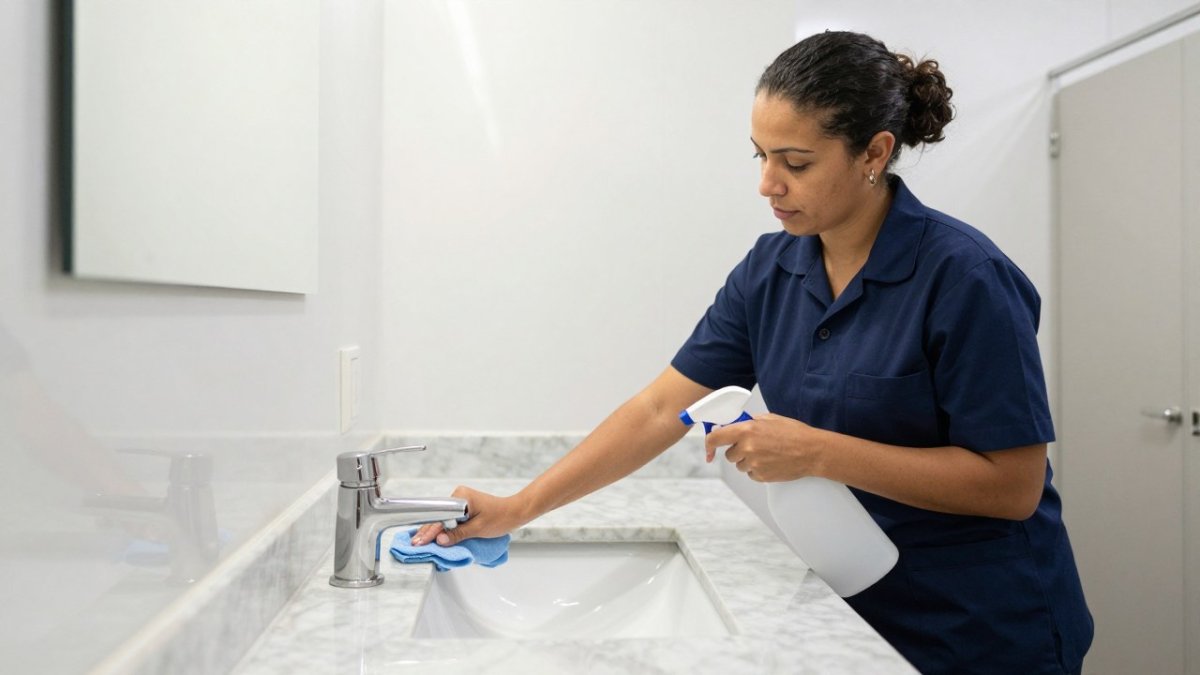
Wipe down bathroom surfaces and grout where mould tends to start.
Avoid drying clothes indoors on racks in living areas; if you must, ventilate the room well.
Keep furniture slightly away from walls so air can circulate behind it.
If a room smells musty, that is a sign moisture is sitting. Deal with it before it spreads.
Pro Tip Measure before you buy. A hygrometer costs very little and tells you whether humidity is actually your problem. If readings sit in range, spend your effort on bedding and vacuuming instead of dehumidifiers.
The Right Order for a Deep Clean That Traps Dust Instead of Spreading It
The right order is top to bottom, dry to damp, and clean to dirty. Clean in the wrong order and you push dust from one surface onto another you already finished.

Work in this order:
Declutter so surfaces are clear to clean.
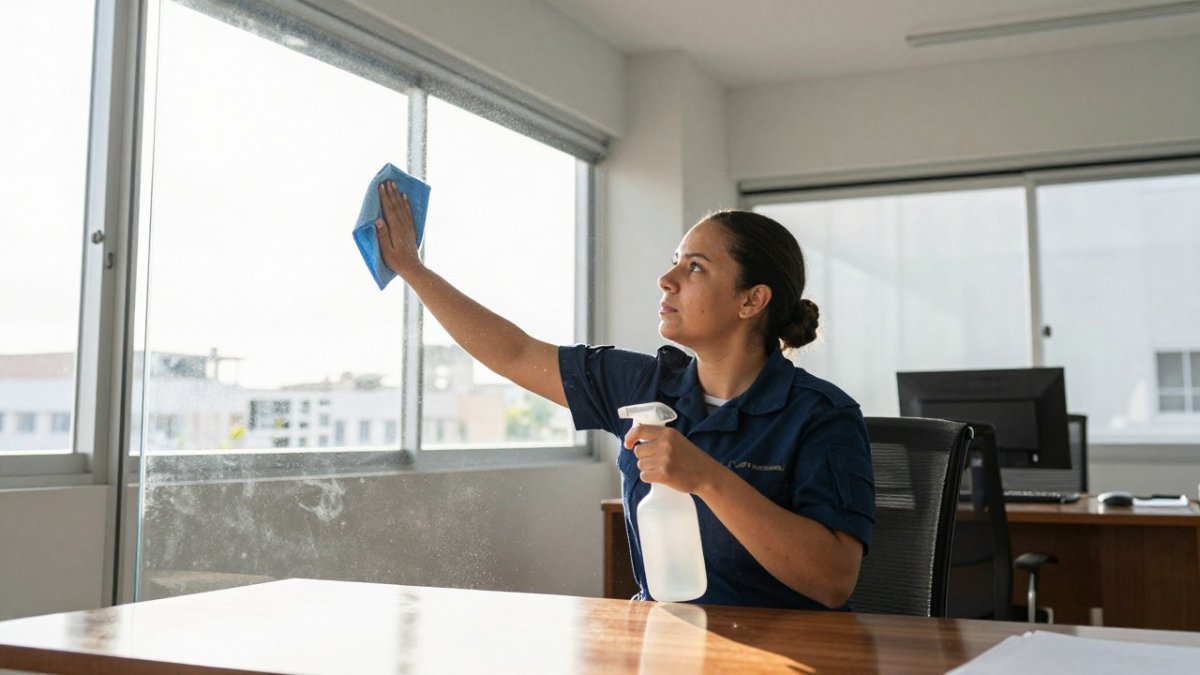
Dust high first (ceiling fans, vents, blinds, tops of cupboards) with a damp cloth.
Vacuum floors, rugs, mattresses and upholstery with a HEPA-filter vacuum.
Clean damp areas like bathrooms and kitchens last, so you do not spread moisture around.
Change bedding and wash soft items in hot water.
Damp Cloth Dusting, HEPA Vacuuming and Steam Cleaning
Damp cloth dusting captures dust instead of flicking it into the air, which is the whole point when someone in the home has allergies.
A HEPA-filter vacuum traps fine particles, including the ones that trigger symptoms, rather than blowing them back out. Vacuum slowly and go over high-traffic areas twice.
Steam cleaning can be used on mattresses, curtains and upholstery where the fabric allows, and items should dry fully afterwards.
How to Clean a Bedroom for Allergies: Bedding, Mattress and Soft Furnishings
The bedroom deserves the most attention because you spend hours there every night, close to the surfaces that hold the most allergens. Clean it properly and symptoms often ease fastest here.
Focus on:
Bedding: wash sheets, pillowcases and duvet covers weekly in hot water.
Mattress: vacuum both sides with a HEPA-filter vacuum, and steam clean where suitable.
Pillows and duvets: wash or replace on a regular schedule, and use allergen-proof covers.
Curtains and upholstery: wash or steam regularly, since both trap dust and dander.
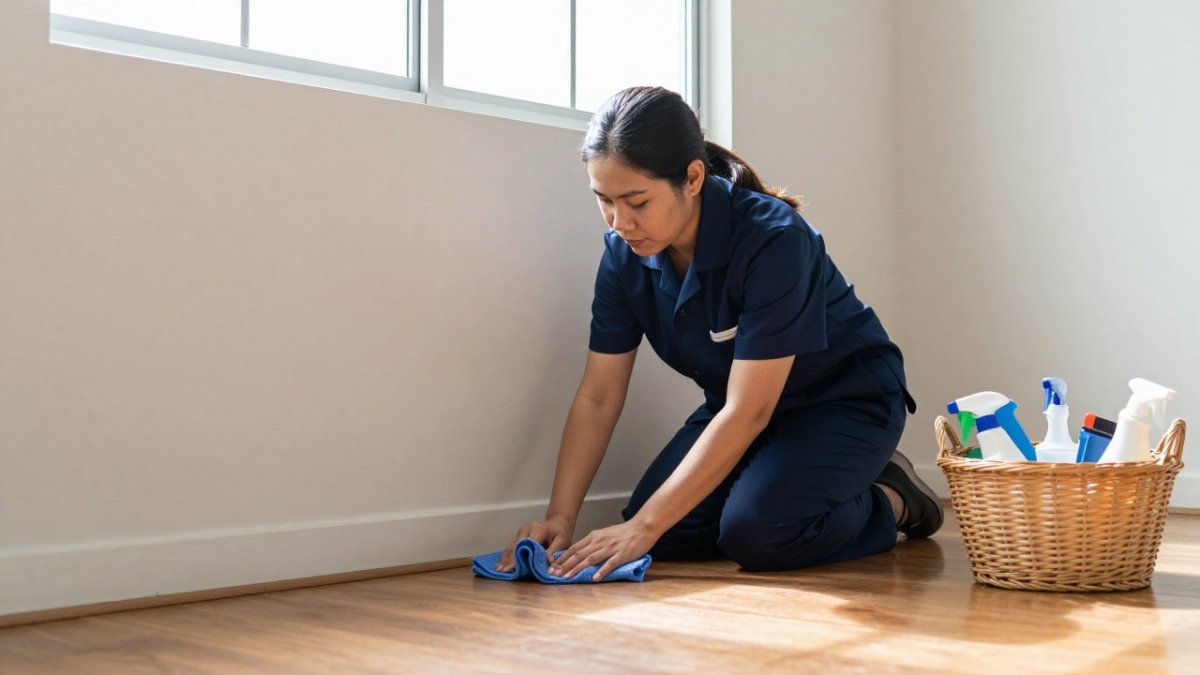
Carpets and rugs: vacuum often, and consider removing them where possible.
Allergy-Friendly Cleaning Products That Won't Trigger Symptoms
Allergy-friendly cleaning products are the ones that clean effectively without adding strong fumes or harsh residues that set off symptoms.
Choose products that are:
Fragrance-free where possible. Fragrance mixes can release compounds that some people find irritating.
Simple and mild, using basic cleaners rather than heavy chemical mixes.
Low-fume in form, a cream or liquid applied with a cloth usually releases fewer airborne particles than a spray bottle, which can put a fine mist into the air you breathe.
Used with good ventilation, so fumes do not build up.
A few household staples do a lot of the work. Baking soda lifts grime and absorbs odours.
Watch out: mixing cleaning chemicals can create dangerous fumes. Never combine bleach with vinegar or ammonia-based products. Use one product at a time and ventilate the room.
Choosing and Using Products When Someone Has Asthma
If someone in the home has asthma or severe allergies, treat product choice as part of the cleaning plan, not an afterthought.
Read the label for irritant warnings. Products labelled as causing respiratory irritation are best avoided or used only with strong ventilation and the sensitive person out of the room.
Skip air fresheners and scented candles. They add fragrance and combustion or aerosol particles to the air without cleaning anything.
Wear gloves and, if dust or fumes bother you, a mask. Simple protective equipment reduces your own exposure while you work.
Ventilate before, during and after. Open a window or run an exhaust fan, and let the room air out before the sensitive person returns.
Patch-test unfamiliar products on a hidden surface first, and keep a note of anything that caused a reaction so you can avoid it next time.
Dust and mist stirred up during cleaning can trigger symptoms, so damp methods and good ventilation matter as much as the product itself.
Watch Out Never mix bleach with vinegar or ammonia-based cleaners, the fumes can be dangerous. Use one product at a time, ventilate, and rinse surfaces between different products.
Your Room-by-Room Allergen Cleaning Checklist
A room-by-room allergen cleaning checklist keeps you from missing the spots that hold the most dust. Use it as a working list and tick items off as you go.
Bedroom: hot-wash bedding, vacuum mattress, wipe shelves and fan, clear clutter
Living room: vacuum rugs and upholstery, damp-dust surfaces, wash throws and cushions
Kitchen: wipe counters, clean sink drains, keep food sealed, clear crumbs
Bathroom: clean grout, run the exhaust fan, wipe damp surfaces, check for mould
Whole home: dust vents, blinds and ceiling fans, vacuum floors, air rooms daily
Keep sealed food in the kitchen to discourage pests, and clear crumbs from benches and floors. Small habits stop allergens rebuilding between deep cleans.
Cleaning Safely When Someone Has Asthma or Severe Allergies
Cleaning safely when someone has asthma or severe allergies means reducing exposure during the clean itself, not just afterwards. Stirring up dust can trigger symptoms mid-job, so plan around the person affected.
Steps to take:
Have the affected person stay out of the room while you clean it.
Ventilate well and wear a mask if dust bothers you.
Use damp methods and a HEPA-filter vacuum to keep particles out of the air.
Let rooms air out and surfaces dry before the person returns.
If the job is too demanding or the risk feels high, it may be safer to hand it off. You can review the professional cleaning services available to book. You can contact us to ask questions or book so the work is done without exposing anyone at home.
How Often to Deep Clean and How to Keep It Manageable
Deep clean thoroughly a few times a year, and keep allergen levels down with weekly habits in between. The frequency depends on pets, carpets, and how sensitive the people in the home are.
A realistic schedule:
Weekly: wash bedding, vacuum floors and soft furnishings, damp-dust main surfaces.
Monthly: clean vents, blinds and ceiling fans, wash curtains and throws.
Seasonally: full room-by-room deep clean, including mattress and upholstery steam cleaning.
A steady schedule usually beats one big clean followed by weeks of buildup. For motivation, read about the benefits of regular house cleaning.
A realistic schedule keeps allergen levels down without turning cleaning into a one-off marathon.
Frequency | What to do |
Weekly | Wash bedding, vacuum floors and soft furnishings, damp-dust main surfaces |
Monthly | Clean vents, blinds and ceiling fans, wash curtains and throws |
Seasonally | Full room-by-room deep clean, including mattress and upholstery steam cleaning |
Frequently Asked Questions
How often should you deep clean your home for allergy relief?
A full deep clean every two to three months suits most households, with weekly maintenance in between. Bedding should be washed regularly in hot water, and vacuuming weekly helps keep dust down. If someone in the home has asthma or severe allergies, a more frequent deep clean schedule can be helpful. Between deep cleans, focus on the high-traffic rooms and the bedroom, where you spend the most hours breathing.
Does vacuuming help reduce dust mite allergens?
Yes, but only with the right machine and technique. A HEPA-filter vacuum is designed to trap fine particles, so they stay in the canister rather than blowing back into the air. Go over carpets, rugs and upholstery slowly, and use the crevice tool along skirting boards and mattress seams. Vacuuming alone will not remove mites living deep in a mattress, so pair it with hot-water washing of bedding and regular airing of rooms.
Can cleaning products trigger allergies?
They can. Strong fragrances, aerosol sprays and bleach-heavy cleaners can be irritating for some people. Choose fragrance-free, low-VOC products, avoid aerosols in favour of pump sprays or damp cloths, and ventilate the room while you clean. If you notice sneezing or tightness only after cleaning, switch products before assuming the cause is dust. Anyone with asthma should stay out of freshly cleaned rooms until they air out.
Which areas of the home collect the most dust and allergens?
Mattresses and bedding top the list, followed by carpets and rugs, upholstered furniture, curtains and blinds, ceiling fans, air conditioning vents and filters, and the tops of cupboards. Pet bedding and soft toys hold dander too. These surfaces trap dust mite allergens, pollen and pet dander, so they need damp cloth wiping, hot-water washing or HEPA vacuuming rather than a quick dry dust. Overlooked spots like vents and fan blades can collect dust that gets moved around when they run.
Allergens build back up the moment a routine slips, and keeping on top of it takes time most households do not have. That is where IMAD Cleaning comes in. We offer tailored cleaning solutions for homes of every size, flexible scheduling to fit around work and family, and an expert team using proven techniques and tools to leave your space spotless, fresh and welcoming. Get started with IMAD Cleaning and breathe easier in a genuinely cleaner home.
Comments